Unlocking the Ruby Jewel: Pomegranates 101 for Health and Flavor
Few fruits captivate the senses quite like the pomegranate. With its vibrant ruby-red exterior hinting at the treasure within, this ancient fruit has earned revered status in cultures worldwide and, more recently, as a reigning superfood. If you've ever felt intimidated by its tough skin, fear not! Our comprehensive guide to pomegranates 101 will demystify this extraordinary fruit, revealing its incredible nutritional prowess, myriad health benefits, and surprisingly simple ways to incorporate it into your daily diet. Get ready to explore why these juicy arils are much more than just a treat for your taste buds.
The Ancient Allure: What Exactly is a Pomegranate?
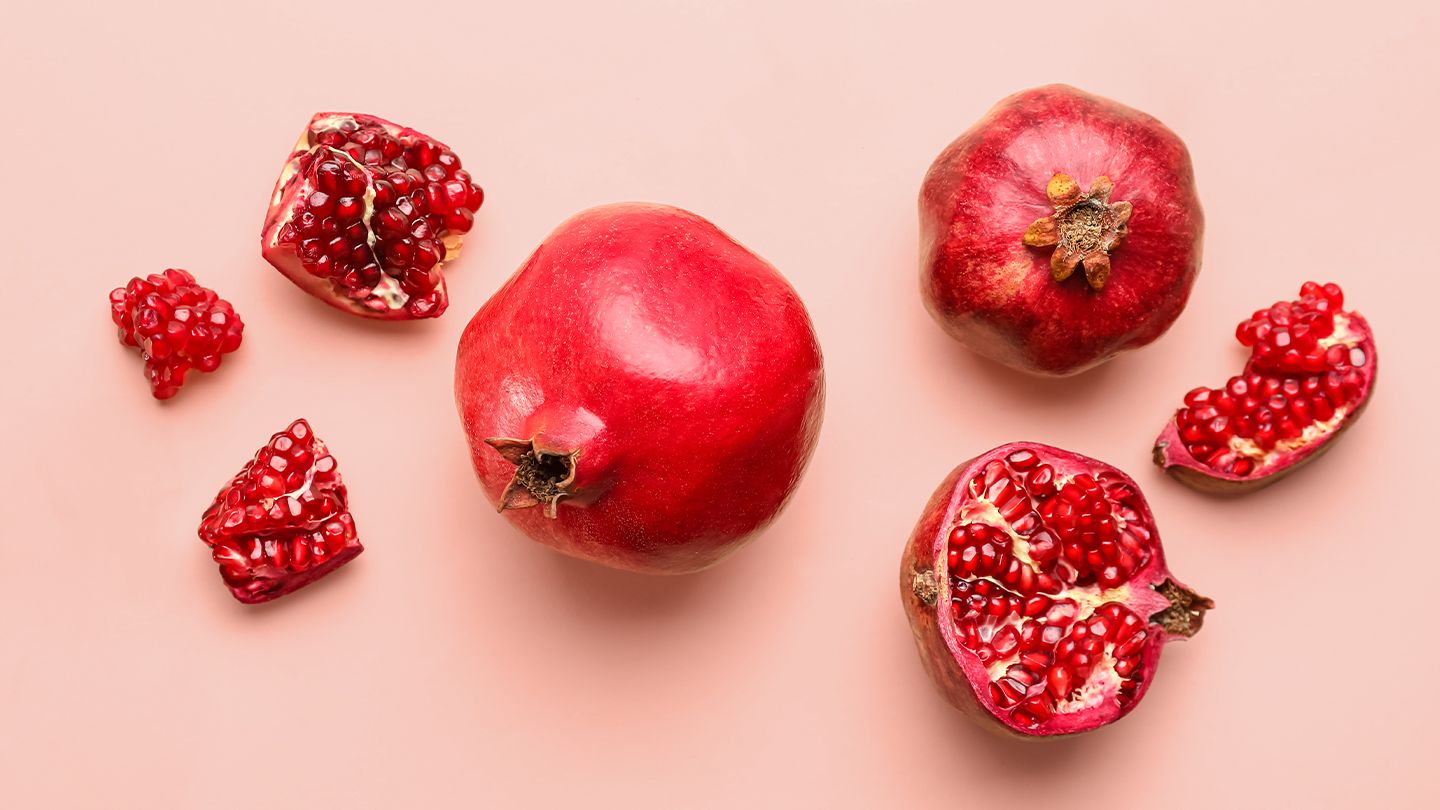
Before diving into its modern-day superfood status, let's explore the rich history and unique characteristics of the pomegranate. Best recognized by its striking, leathery red rind encasing hundreds of glistening, jewel-like arils – the juicy sacs surrounding each tiny seed – the pomegranate is truly a marvel of nature. The name itself, derived from Latin "pomum granatum," means "apple with many seeds," a perfect descriptor.
A Journey Through Time and Culture
The pomegranate's origins trace back thousands of years to Iran and northern India, making it one of the oldest cultivated fruits. From these ancient lands, its cultivation spread across the Mediterranean, Asia, and eventually, to North America centuries ago, thriving in warmer climates like California and Arizona. Throughout history, pomegranates have been more than just food; they’ve been imbued with deep symbolic meaning, often representing fertility, abundance, prosperity, and even eternal life in various myths, religions, and art forms across diverse cultures.
This enduring mystique, combined with growing scientific interest, has propelled the pomegranate from a rare delicacy to a widely sought-after ingredient. Today, you can easily find pomegranates fresh, as well as in juices, supplements, powders, and extracts, making its goodness widely accessible.
Pomegranate Power: Unpacking Its Nutritional Profile
What truly sets the pomegranate apart is its remarkable nutritional density. Each bite of those sweet-tart arils delivers a powerful cocktail of vitamins, minerals, and unique plant compounds that contribute to its "superfood" reputation. It’s no exaggeration to say that pomegranates 101 in nutrition points directly to its antioxidant supremacy.
Antioxidant Riches: A Shield for Your Cells
At the heart of the pomegranate's health benefits lies its extraordinary antioxidant content. These include potent polyphenols and flavonoids, notably punicalagins, responsible for its vibrant red color and protective power. Antioxidants are crucial for neutralizing free radicals, unstable molecules that can cause oxidative stress and cellular damage, leading to chronic diseases and premature aging.
Remarkably, studies have shown that pomegranate juice can boast Pomegranate Nutrition: More Antioxidants Than Green Tea & Wine – up to three times more antioxidants than popular antioxidant-rich beverages like green tea and red wine. This makes it an exceptional choice for cellular protection and overall well-being.
Beyond Antioxidants: A Nutrient Powerhouse
While antioxidants steal the spotlight, pomegranate arils are far from a one-trick pony. A ½-cup serving of pomegranate seeds offers a robust nutritional punch, according to the USDA:
- 72 calories
- 16 grams (g) carbohydrates
- 12 g sugar
- 3.5 g fiber: Vital for digestive health, blood sugar regulation, and satiety.
- 9 mg vitamin C: Supports immune function, collagen synthesis, and skin health.
- 14 mcg vitamin K: Essential for blood clotting and bone health.
- 33 mcg folate: Crucial for cell growth and function.
- 205 mg potassium: An important electrolyte helping maintain healthy blood pressure and fluid balance.
This impressive profile underscores why pomegranates are not just delicious but also a smart choice for boosting your daily nutrient intake, aligning perfectly with The Superfood Pomegranate: Discover Its Health Benefits & Nutrients.
Beyond the Basics: Potential Health Benefits of Pomegranates
The rich nutritional tapestry of pomegranates translates into a wide array of potential health benefits. While research is ongoing and more robust human studies are always needed to solidify claims, existing evidence is promising and continues to fuel interest in this ancient fruit.
Heart Health Champion
Pomegranates have long been associated with cardiovascular wellness. Their potent antioxidants, particularly punicalagins, are believed to help protect the heart and blood vessels. Some studies suggest pomegranate consumption may:
- Help reduce blood pressure.
- Lower "bad" LDL cholesterol and prevent its oxidation.
- Improve blood flow and reduce arterial plaque buildup.
Anti-Inflammatory Properties
Chronic inflammation is a root cause of many modern diseases. The high concentration of antioxidants and anti-inflammatory compounds in pomegranates makes them a valuable addition to an anti-inflammatory diet. They may help reduce inflammatory markers throughout the body, offering protective effects.
Digestive Wellness
Thanks to its significant fiber content, pomegranates contribute to a healthy digestive system. Fiber aids in regular bowel movements and prevents constipation. It also acts as a prebiotic, feeding beneficial gut bacteria, crucial for gut health and immunity.
Potential Anti-Cancer Effects
Preliminary research, primarily in test-tube and animal studies, has explored pomegranate’s potential role in cancer prevention and treatment. Its powerful antioxidants and anti-inflammatory compounds may help inhibit cancer cell growth, induce cancer cell death (apoptosis), and even slow the spread of certain types of cancer, including prostate and breast cancer. However, these findings require much more human research.
Brain Health and Memory
Emerging research suggests that the antioxidant properties of pomegranates could extend to brain health, potentially protecting against cognitive decline and improving memory. This area is still in its early stages, but the general benefits of antioxidants for neurological health are well-established.
From Intimidation to Indulgence: How to Eat and Enjoy Pomegranates
For many, the biggest hurdle to enjoying pomegranates is figuring out how to get to those delicious arils. But with a few simple techniques, you'll be an expert in no time! Here’s your practical guide to pomegranates 101 in the kitchen.
The Easiest Way to Deseed a Pomegranate
Forget the mess and embrace efficiency with this simple method:
- Score the Top: With a sharp knife, cut around the crown (top) of the pomegranate, about an inch deep, then gently pry off the top.
- Score the Sides: Notice natural ridges or membranes inside. Score along these ridges from top to bottom, careful not to cut too deeply into the arils.
- Submerge in Water: Fill a large bowl with water. Break the pomegranate apart into sections along your scores while submerged. This contains juice and separates arils (sink) from pith (float).
- Separate the Arils: Gently peel arils away from the pith and rind under the water. Skim off the floating pith.
- Strain and Enjoy: Drain the water, and you're left with pristine pomegranate arils, ready to eat!
Storage Tips
Whole pomegranates store at room temperature for a few days or in the refrigerator for up to 2-3 weeks. Deseeded arils should be stored in an airtight container in the refrigerator for up to 5-7 days. For longer storage, freeze arils in a single layer on a baking sheet, then transfer to a freezer-safe bag for months.
Creative Ways to Incorporate Pomegranates into Your Diet
The sweet-tart flavor and crunchy texture of pomegranate arils make them incredibly versatile. Don't limit yourself to eating them plain – although they're perfectly delicious on their own!
- Salads: Add a burst of color and flavor to green salads, fruit salads, or grain salads like quinoa.
- Yogurt & Oatmeal: Sprinkle over Greek yogurt, cottage cheese, or warm oatmeal for added nutrients and crunch.
- Smoothies: Blend into your favorite fruit smoothies for a vibrant, antioxidant-rich boost.
- Desserts: Garnish cakes, tarts, and custards, or mix into fruit crisps and parfaits.
- Savory Dishes: Pair with roasted meats (especially lamb or chicken), sprinkle over grilled fish, or add to savory pilafs.
- Beverages: Beyond juice, use arils to infuse water, make sparkling pomegranate mocktails, or creative cocktails.
Experimenting with pomegranates opens up a world of culinary possibilities, allowing you to enjoy their unique taste and impressive health benefits in countless delicious ways.
In conclusion, the pomegranate is far more than just a beautiful fruit; it's a testament to nature's ability to pack immense nutritional value into a single package. From its ancient roots to its modern-day recognition as a powerful superfood, this ruby-red gem offers a compelling blend of flavor, history, and health benefits. By understanding its nutritional profile, appreciating its potential health advantages, and mastering the simple art of preparing it, you can effortlessly make pomegranates a cherished and beneficial part of your dietary routine. So go ahead, embrace the challenge, and unlock the incredible power of the pomegranate!
